We children were blessed to have a mom who loved books and took time to read to us. One of my earliest memories is sitting beside Mom on the couch—me on one side and my sister Leslie on the other—while Mom read us a bedtime story.
Leslie Garcia and I are both authors while my sister Vicky has a journalism degree and has spent her entire working career with words. She is also my editor.
Take time to read to your children and grandchildren.
One of my favorite books—another of my earliest memories—is “And to Think That I Saw it on Mulberry Street” by Dr. Seuss. As Marco walks to school and keeps his eyes open—as per his father’s instructions—his imagination is equally awake. A horse becomes a zebra, then a reindeer, then an elephant with two giraffes, and the wagon becomes first a chariot, then a sled, and finally a cart with a brass band. Police escorts join the parade and an airplane drops confetti.
Two memorable lines from the story are, “And that’s a story that no one can beat,” “And to think that I saw it on Mulberry Street.”
That book was rejected by at least 20 publishers. Dr. Seuss didn’t let rejection stop him. He believed in his power to create words worth reading. He went on to write more than 60 books. He both wrote and illustrated 45 of them.
All writers struggle to overcome rejection. Published authors are the ones who fight through rejection and keep on writing. They don’t give up. I have written 51 books, have illustrated one of them, and collected more than 150 rejection slips before my first book was published in 2012. I treasure those rejection slips. I’m going to make a collage with them someday.
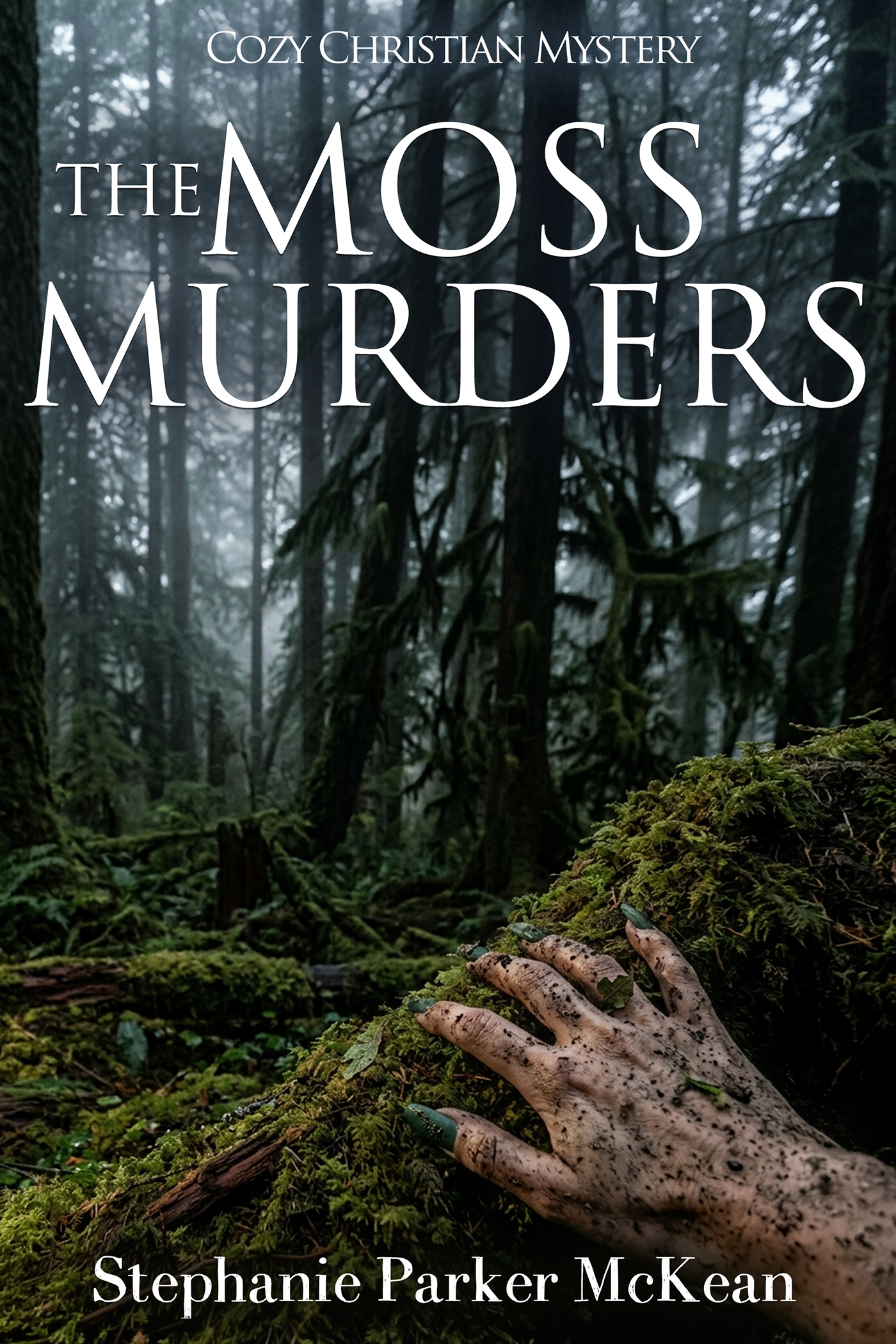
My just released “The Moss Murders” is set in Scotland. It is one of my favorites out of 51 books, perhaps because peering into moss blooms (actually spore capsules—moss doesn’t bloom like flowers) tickles my imagination and reminds me of Dr. Seuss’ brilliant books and illustrations. When the moss isn’t “blooming,” I like to pet it. When it is blooming, I can look into the forest of spore capsules and imagine a Dr. Seusserized village springing to life.
The Moss Murders is a romantic cozy mystery giving older characters a stage and a script worth remembering.
The Moss Murders is a romantic cozy mystery that roots for the underdog. Or more accurately, for the underfoot. Moss. Other than gardening books, very few books have been written about moss and much of the media on moss is about how to get rid of it. However, in The Moss Murders, moss joins the other unsung heroes as something to celebrate.
Why moss? “God has chosen the foolish things of the world to put to shame the wise, and God has chosen the weak things of the world to put to shame the things which are mighty.” 1 Corinthians 1:27.
Moss possesses beauty, durability, and permanence—the same characteristics I want The Moss Murders to leave behind in the hearts and minds of readers.
Amazon.com: Stephanie Parker McKean: books, biography, latest update

 Stephanie Parker McKean