Dandelion People

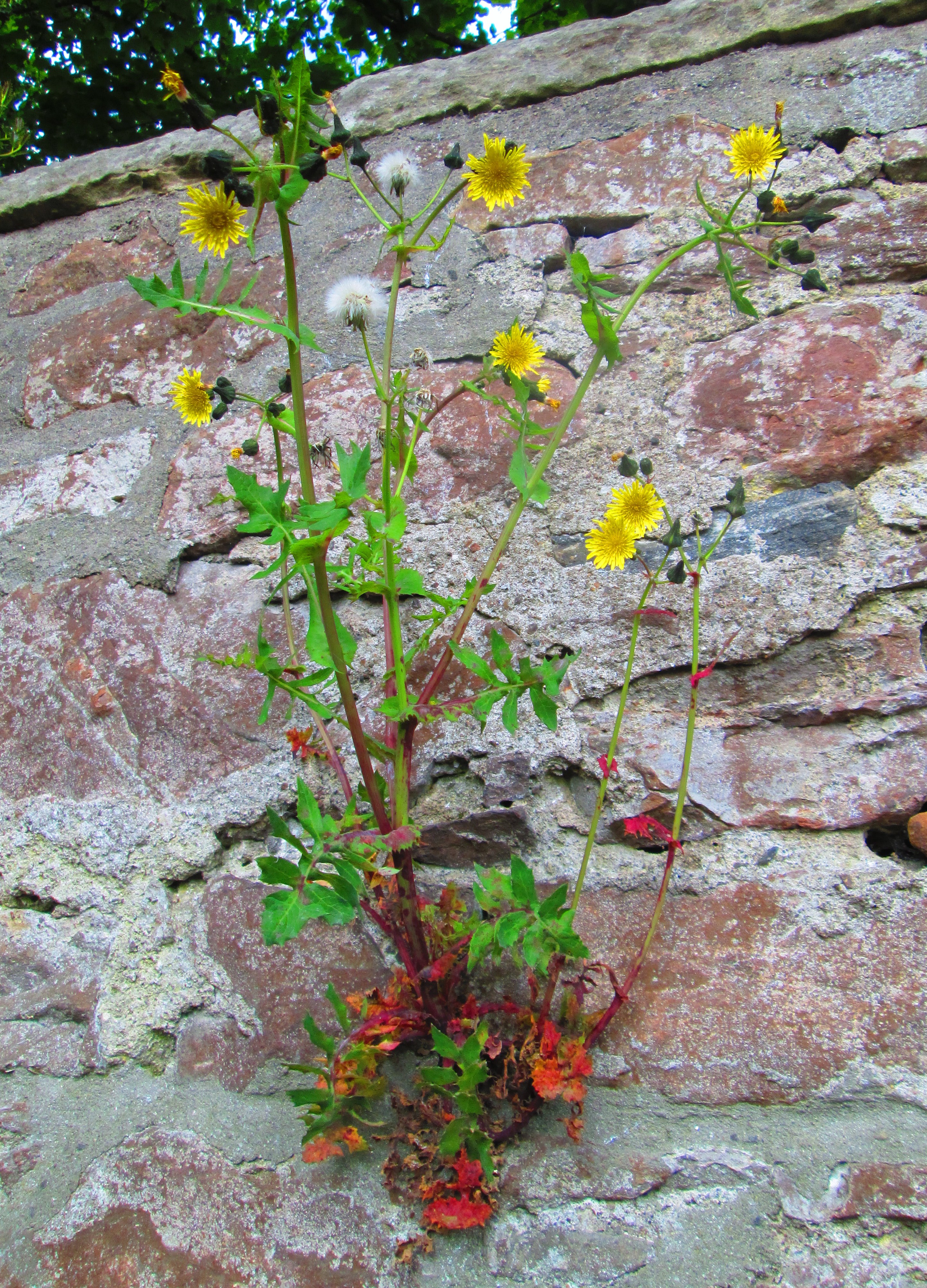
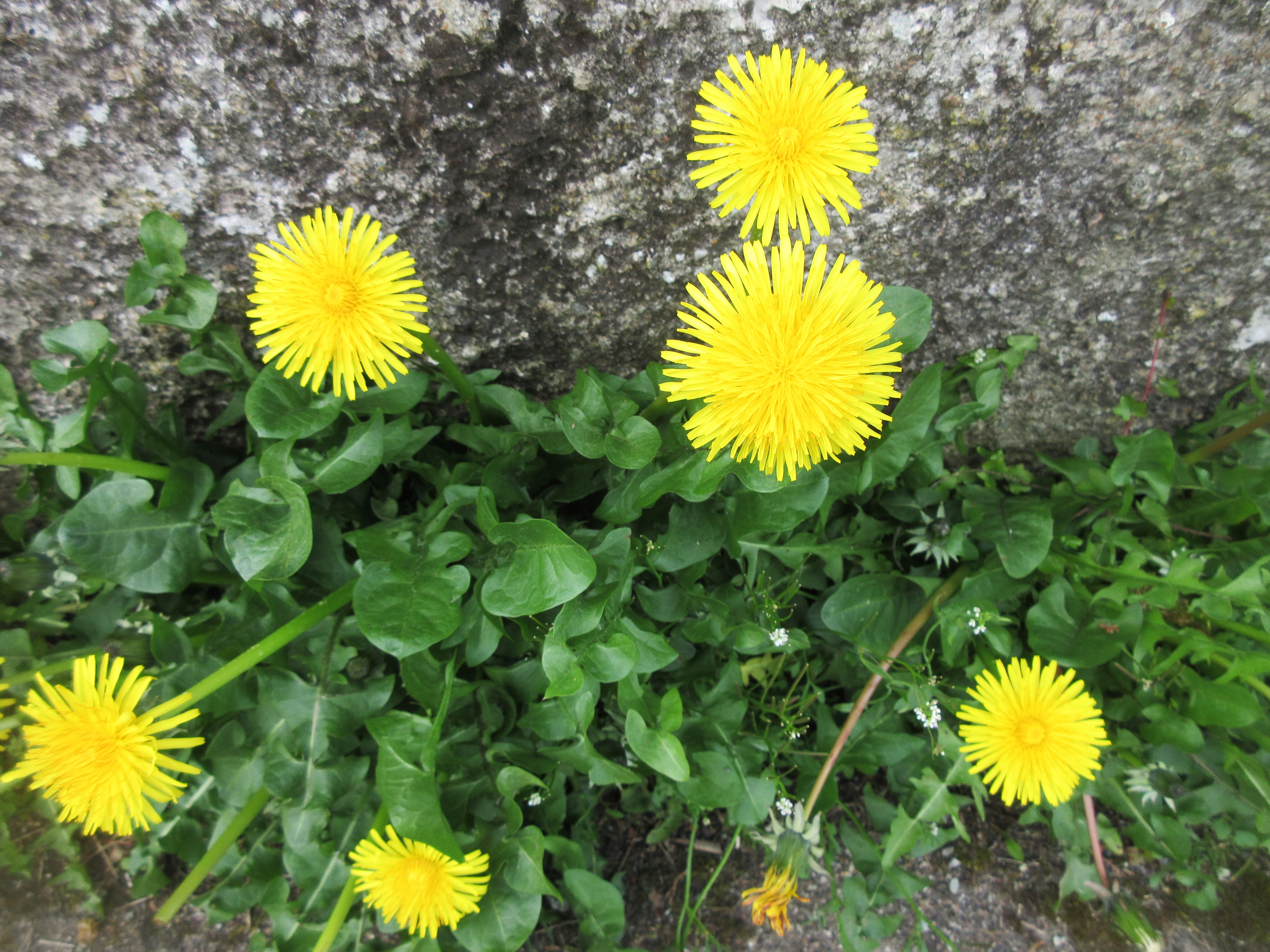
Dandelions wake up the world around them with bright cheerful yellow blooms that bees and butterflies love. Yet, they are considered weeds and unappreciated by many people because they are invasive, spread aggressively, and interfere with cultivated plants.

Formal gardens eschew dandelions and gardeners work energetically to remove them even though they are rich in nutrients and useful in medicine due to their antioxidant properties. They provide food and medicine—and yet are universally despised.

Some people go through life much like dandelions; overlooked, unappreciated, and spurned by others. Here’s lifting praises to Dandelion People. Dandelion People have shaped and enriched my life and fill my 50 books (one finished but not yet published) with vivid characters and interesting to amusing incidents and events.

Many of the dandelion people I have personally known are from home of my heart, Bandera, Texas. Since they are sadly gone from this life now I feel that I can name them. My first eight books, the Miz Mike series, depend on dandelion folks for interest and humor.

Harold Jenkins was a short, twisted man whose appearance frightened children who did not know him. It was not only his limbs that were twisted—his facial features were also twisted and caused him to speak out of the side of his mouth. He could read, he could write, and he loved driving his truck. In spite of his physical challenges, Harold was a volunteer fire fighter and ambulance driver and attended church regularly.

Ross was a deaf mute. He lived on an isolated ranch and drove his tractor down his driveway to the main road where he would wait for someone to pick him up and give him a ride into town. Old timers presiding over the “Table of Knowledge” at the OST Restaurant understood him and conversed freely with him. Sadly, I was unable to decipher his strange mixture of grunts and finger gestures enough to understand him—but son Luke, who was two at the time and needed speech therapy—understood him completely. I took Ross to Kerrville one time so he could sell his wool and he and Luke talked and laughed all the way there and back.

Then there was Gerald. My first job in Bandera was working at Frontier Village with him building tables for the Bella Union Dancehall. Gerald had a low IQ and needed supervision, but he was one of the hardest workers I’ve ever known. He rode his bicycle into town everyday and waited around the OST for someone to hire him for the day. He would do anything from building fences to wrangling livestock and cleaning up after them.

History has its share of Dandelion People, too; people who live and die as unappreciated as dandelions.

Rosalind Franklin’s x-ray images of DNA revealed the molecule’s double helix structure, but she was not recognized for her work until after her death.

Ignaz Semmelweis’ pioneering work in antiseptic procedures reduced deaths from childhood fevers. Like Franklin, he was not recognized for his contributions until after his death.

Chico Mendez was a rubber tapper in Brazil. He led a fight for the preservation of the Amazon rainforest, and fought equally hard to gain rights for his fellow toppers.

Claudette Colvin, a black woman, refused to give up her seat on a Montgomery bus—and yet—it is Rosa Parks who gets celebrated in history. Probably few people have ever heard Colvin’s name or know her role in the Civil Rights movement. She was one of the Dandelion People.

Jesus has a promise for the Dandelion People—and all of us: “Your Father who sees in secret will Himself reward you openly.” Matthew 6:4.

Amazon.com: Stephanie Parker McKean: books, biography, latest update
The Day the Dog Drove the Car

Because my sister and I had an after-school activity, Mom let me drive us to school in our car, an old battered Cadillac, posh only in name.

The car was, in fact, dangerous. Whenever we were driving it and saw a roadblock ahead—we took a detour to avoid being stopped. The car had no safety sticker. One reason it didn’t have a safety sticker is that it had no emergency brake or parking brake.

That day when we got to school, we discovered a small, white, shivering poodle-type dog huddled against the front of the school while some of the boys threw rocks at it. Leslie and I were outraged. No one abuses animals around us. We flew into the fray, sent the boys running for cover, and took the poor little dog out to the Caddy where it would be safe until school let out for the day.

But it wasn’t safe because someone stole the car. When school let out, Les and I flew out to the parking lot to discover that…the car was gone. Les and I ran frantically around the parking lot looking for the car, but it was nowhere in sight. It was gone.

In total panic mode we rushed along asking other students if they had seen anything. Finally one student said he had. “The last time I saw your car, a little white dog was driving it.”

We were furious with him for mocking us and our predicament. This was in the days before mobile phones. We lived some five miles out of town. Our father had taken the other vehicle to work, so we had our family’s only transportation—except we didn’t have it. It was gone. Either stolen or driven off by a poodle.

The student walked with us back to where I had parked the car…then a bit further. We followed him—and there was our car. In a deep gully. The poodle was in the driver’s seat.

Because the car had no parking brake, the little dog had bounced around until it hit the shifter and knocked the car out of gear. Being on a slight incline, the car cruised down the hill to the bottom. It took a tow truck to get the Caddy out of the gully. Even though the car was not damaged—save a couple of new dents—our parents would not let us keep the little dog who could drive.

How could a blog about a little dog who drove a car be an Easter blog?

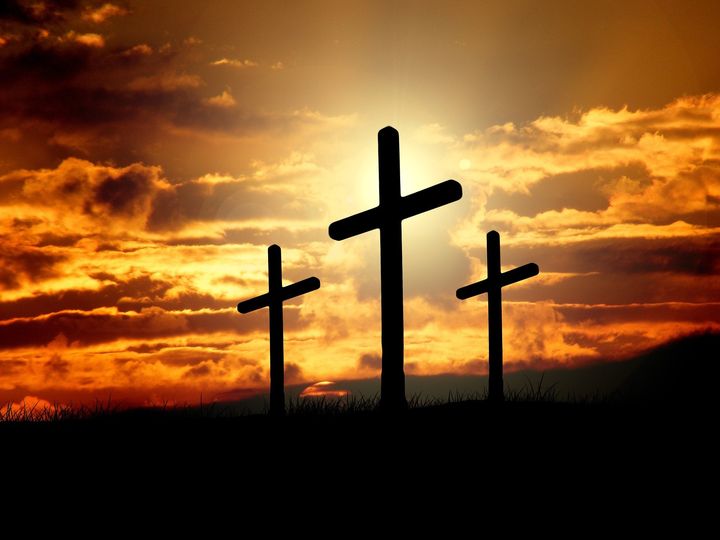
Jesus died on the cross so our sins could be forgiven and we could invite His Holy Spirit to come and live inside us to give us help and hope for every day, every situation in life. The death of Jesus on the cross is historic. People saw it. People watched.

Three days later, Jesus rose up from the cross and walked the earth again. It’s history. People saw Him. They touched the nail prints in His hands and feet and the spear wound in His side. And, yet, not everyone believes. You might as well tell them a dog drove their car.

The angel said to the women, “Do not be afraid, for I know you seek Jesus who was crucified. He is not here; for He is risen. He is risen from the dead.” Matthew 28:6.

“And truly Jesus did many other signs in the presence of His disciples, which are not written in this book; but these are written that you may believe that Jesus is the Christ; the Son of God, and that believing you may have life in His name.” John 20:30.

Amazon.com: Stephanie Parker McKean: books, biography, latest update
The World is Ending!

From the absurd to the possible, “news” headlines shout for attention in both written and media forms.

“Trump Seals Deal With Aliens from Outer Space,” “Trump Hides Conversation With Space Aliens,” “Virus Worse Than Covid,” “Keep Windows and Doors Shut for the Next 72 Hours,” “UK Warned of Meningitis Epidemic,” “Prepare for World War Three,” “Steps to Take After Nuclear Blast,” “Dogs May Be Taken from Owners by Authorities,” “New Driving Laws Punish Older Drivers,” “Late Winter Storm Set to Bury UK with Snowfall,” “Mysterious Space Phenomenon Early Warning for Britons”…

And then I spot two birds playing tug-of-war with a tuft of our collie’s hair to use to line their nests.

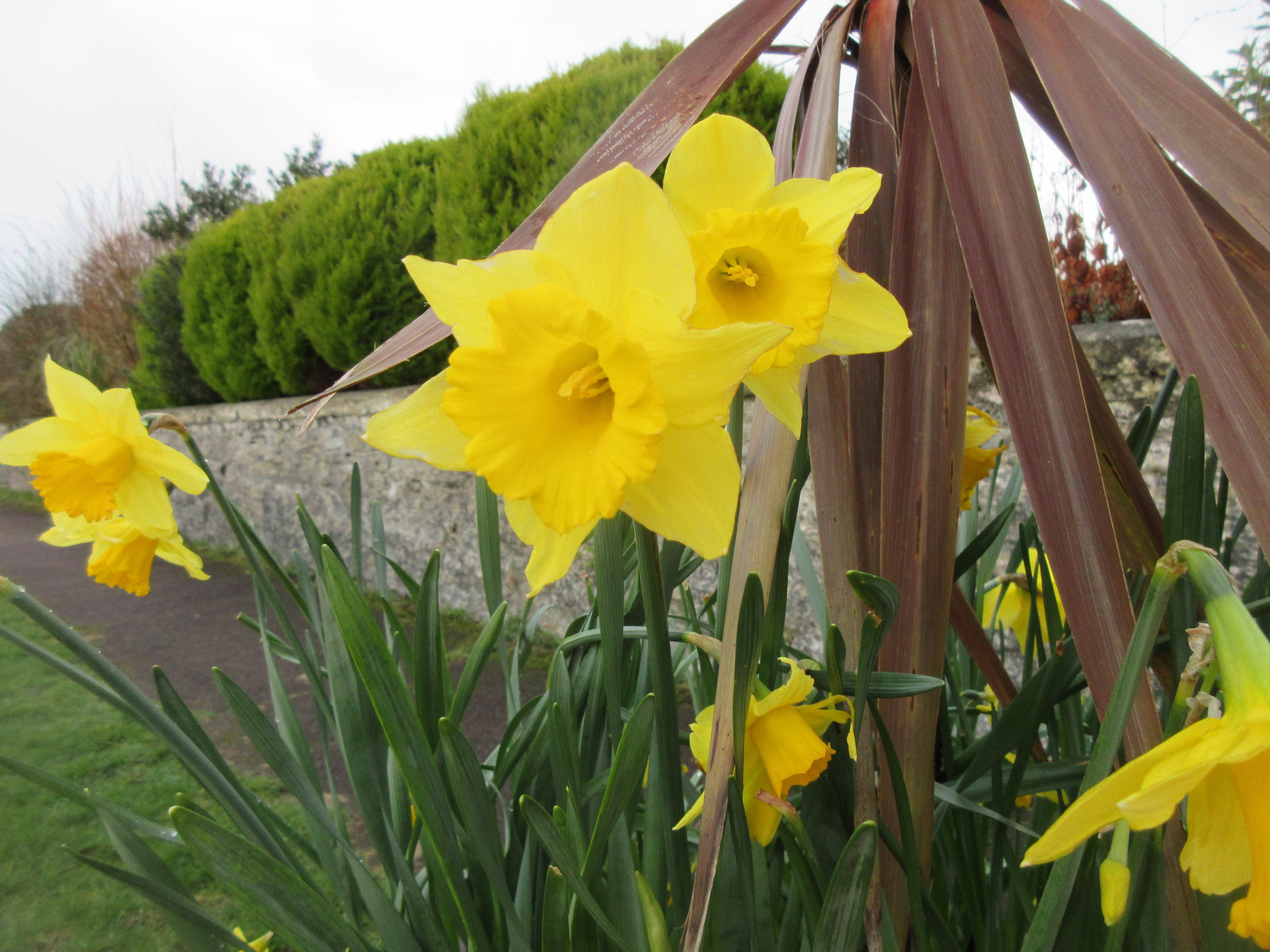
And then I see daffodils blazing their sunshine glory in front of a rock fence.

And then I notice buds creeping over the bare limbs of a tree.

And then I lose myself in wonder at the first traces of spring green unfurling in a new leaf.

And then I watch moms and dads walking their children past our house on the way to school.

And then I celebrate a splash of sunshine making it over the top of grey clouds.

And then I marvel in the hills rising behind us, the sea rolling at our feet, the friendly greeting of complete strangers along the path we both take, and the giggle of a baby testing grass with bare feet for the first time—and I remind myself that this is still God’s world.

“Finally, brethren, whatever things are true, whatever things are noble, whatever things are just, whatever things are pure, whatever things are lovely, whatever things are of good report, if there is any virtue and if there is anything praiseworthy—meditate on these things.” Philippians 4:8

Amazon.com: Stephanie Parker McKean: books, biography, latest update
Scottish Restrooms

Here in our part of Scotland what we know as restrooms in the U.S. are sometimes labeled “WC” for “water closets.” Woe to the unsuspecting tourist who desperately needs a toilet and has no idea what the small “WC” sign on a building means.

Toilets in this part of Scotland are called “loos.” And the toilets are frequently labelled “male” and “female.” Humorous considering the fact that they clearly do not reproduce. Finding public toilets as you head north from here to the Black Isle is as difficult and frustrating as finding the end on a clear roll of tape.

Public toilets are so scarce that travelers must resort to extreme measures when they can’t hold it any longer. Or at least—I have. Leaning against the back of a vacant building. Hanging onto metal racks for support in the back of a closed store. Hiding behind the open door of the car on the side of the road. Not. Fun.

However, for folks like me—necessary. If I were not so adamantly opposed to drugs I could make a fortune peeing for drug tests.

And, when one can find a public toilet—dangers abound. The metal hardware has been painted over so many times that when one latches the door it’s a fight to get it open again. And, because the partitions stretch from floor to ceiling—there is no way to climb over or go under when the door won’t open again. On one road trip, it took two men and a handful of tools to extricate Alan from a toilet stall when he couldn’t open the door. The men had to unscrew and take the hinges off the other side to let him out.

Me? I’m so claustrophobic that I take my chances with not locking the door. If some desperate fellow traveler bustles in and plops down on my lap—I’ll just hope they have good aim.

And cold? Scotland never has what a Texan would consider a summer. When it gets over 70 degrees, folks complain that they are “broiling.” Many of the WCs along the way are not heated. Cold metal seats, cold carved granite seats—they are out there, folks!

Some bathrooms—even in a large hospital across the water still have big tanks of water hanging on the wall under the ceiling. A long tube runs down from the water tank to the toilet bowl. It flushes by pulling a chain with a wooden handle at the end.

Many of the more modern toilets have buttons on the top. The buttons are divided in half. The user is supposed to push the big part of the button to flush poo, and the smaller part for pees. The problem is that those buttons are hard to press down—especially for older folks. It is perplexing to me that the hospital across the water with the tanks on the wall would install push button toilets when so many of their patients lack the strength to push the buttons.

Perhaps it’s in poor taste to write a blog about toilets—but I don’t think so. God has marvelously created us. Our bodies are designed to take in and let out. We can’t survive if the process stalls.

Our bodies are not one member, but many members. “God has set the members, each one of them, in the body as He pleased… those members of the body which seem to be weaker are necessary.”1 Corinthians 12:22.

When I first arrived in Scotland from the U.S., I used to aggravate Alan by calling Scotland a “third world country.” But I’ve been stuck in one of those public toilets myself—with no one within hollering distance to help. Toilet dramas have found their way into several of my Miz Mike books and other books of mine which are set in Scotland.

Amazon.com: Stephanie Parker McKean: books, biography, latest update
I Don’t Want To Go Back

Often I hear folks say, “Oh, to be twenty again.” “If only I could go back and live my life again—I’d do it differently. I’d get it right this time.”

I don’t want to go back.

For the first time in my almost 74 years of life—I like myself. For the first time in almost 74 years I even like my fly-away baby-fine hair that is immune to attempts to style or “fix” it. For the first time in nearly 74 years of life I can look into a mirror and not be disappointed by the reflected image.

Because now I know—now I understand the truth of Psalm 139:14, “I will praise You, for I am fearfully and wonderfully made.”

It’s been a long hard road. For those of us who were sexually abused as children it is difficult to navigate the self-blame and self-loathing because we feel somehow guilty for what happened to us. Especially me since the perpetrator who had no medical training performed two backwoods abortions on me to hide his crime and I nearly bled to death both times. I survived. The babies didn’t. Abortion is murder.

I took my one and only writing course when I was 23. It only lasted a few weeks, but I never forgot the teacher’s advice on the first day: write about what you know. Hard advice for me at twenty-three—I didn’t know anything. I had only been a Christian for a few days, but that was long enough to know that I should pray about things so I asked God to give me something to write about.

God answers prayer. Now I know.

I know what it’s like to live with an alcoholic, abusive spouse. I know what it’s like to live with a drug-addicted spouse and attempt to help him. I know what it’s like to go through divorce when you don’t believe in divorce and don’t want it. I know what it’s like to be a single mom and work two and three jobs to support myself and my child. I know what it’s like to help a new spouse battle cancer, to take care of him until he died, and then speak at his memorial service.

I know what it’s like to bury my child.

I know what it’s like to undergo back surgery, knee replacement, and a hip replacement, and to spend three months in the hospital after the hip replacement became infected. I wrote and published three books while I was in the hospital.

Now I know. Now I have things to write about. My life experiences are sprinkled through my 48 published books, some sprinkled more liberally than others. The book I’m working on right now draws from the painful chapter of childhood sex abuse.

Go back to another time and a younger age? I don’t want to go back. I’ve lived through it once. Once is enough.

I’m ready to go forward to heaven where there is no sin, sadness, illness, sorrow, pain, or parting.

Don’t feel sorry for me. I’ve loved my life. I wouldn’t exchange even one day of it for someone else’s. Even the hardest places and the most disappointing moments have been spun into the greatest blessings by the hand of the God who spun the stars into the universe and spins the earth upon nothing.

I’ve lived in and visited states all over the U.S. and lived in two different countries. I’ve lived in Bandera, Texas, home of my heart—and cowboy capital of the world. I’ve spent years working on several different newspapers as a staff writer. I’ve cuddled wild animals; a fox, raccoon, jaguarondi, African lion, raven, snakes, skunk, possums, dogs, cats, horses. I’ve been bitten on my stomach by an African lion.

I’m ready for the unending chapter in my life—heaven. The Bible describes it as having streets of gold, but all I want in heaven is a rock wall with flowers growing over it and animals coming to visit me. And to be with my son Luke again.

I’ve lived in the desert with Luke, who taught me to see—really see—the wind. I’ve danced through tumbleweed circuses and followed porcupines and coyotes to see where they were going. I’ve panned for gold, wet-washed for gold, metal detected for gold. With Luke’s help I’ve rescued possums and ravens and had remarkable dogs.

I’ve had a blast. And it’s given me something to write about. Now I’m a caregiver for my husband who is dying of cancer. I’ve got silver strands mixed into the brown of my hair. I’ve got puffy circles under my eyes from fatigue. I frequently pull muscles moving Alan about since he can’t weight-bear and must be pulled up and moved with equipment. But the joy of the Lord is my strength and nothing can steal my joy.

That’s why I can look at myself in the mirror and like what I see. I can see myself through God’s eyes. He loves me. He loves you also. So when you look into a mirror, like what you see and repeat, “I will praise You, for I am fearfully and wonderfully made.” Psalm 139:14

No one in the world can be you. God created you for a plan and a purpose that only you can fulfill. You are a poor imitation of anyone else. You are a true you.

Amazon.com: Stephanie Parker McKean: books, biography, latest update

Leaving Leaves

Some people hate autumn because leaves falling off trees remind them of death and dying. I hate autumn because it leads to winter. I hate cold.

Some people wax poetic about the beauty of leaves changing colors. I love color and beauty, too, but what I love most about fall leaves is their passionate dance with the wind.

Leaves are born to a single tree in the spring. For the first half of their lives—they are stationary. They are held captive by the tree. Wind can tickle them and make them tremble or shiver—but the leaves can’t go anywhere. They are dependent on their attachment to the tree.

Fall arrives. The leaves turn lively colors and die. Trees release them. The wind catches them up—and suddenly—they are no longer “dead.” They have new life, new adventure, new purpose. Piles of fallen leaves warm the ground and protect it from winter cold. Creatures bury themselves under the leaves finding shelter and food. Eventually, the leaves decompose. They enrich the soil and coax new life into existence.

What a marvelous parallel to our lives as humans on planet earth. We live. We “die.” But, because of Jesus—we never really die. Our “death” is a freedom ride to eternity.

Jesus promised those who believe in Him, “And I give them eternal life, and they shall never perish, neither shall anyone snatch them out of My hand.”

It’s the Little Things

DSCF5676

People celebrate big events in life; the acquisition of a new car or a new home, a pay raise, a vacation. But it’s the small things in life that count.

Feeling your nose starting to run and reaching into your pocket—and yes! You have a tissue.

Taking a photo of something unique or important that you will never see again—and the picture turns out.

Dropping a lid on the floor and it lands the right way up.

Getting an unexpected extra hour of sleep in the morning and not being late for anything.

Having a flurry of soap bubbles rush up from the sink when you wash dishes.

Finding the keys in the first coat pocket you search.

Discovering a beautiful flower blooming in a rock wall and knowing that—with God’s help—you can overcome your problems.

New homes age, new vehicles get dents, pay raises are spent, vacations end. But I always smile when the lid lands the right way on the floor, or when brightly colored soap bubbles burst into the air when I’m washing dishes.

Little things. It’s the little things in life that count.

hard places

https://www.amazon.com/Stephanie-Parker-McKean/e/B00BOX90OO/ref=dp_byline_cont_ebooks_1

At the Drop of a Shell

seagull-eating-crab

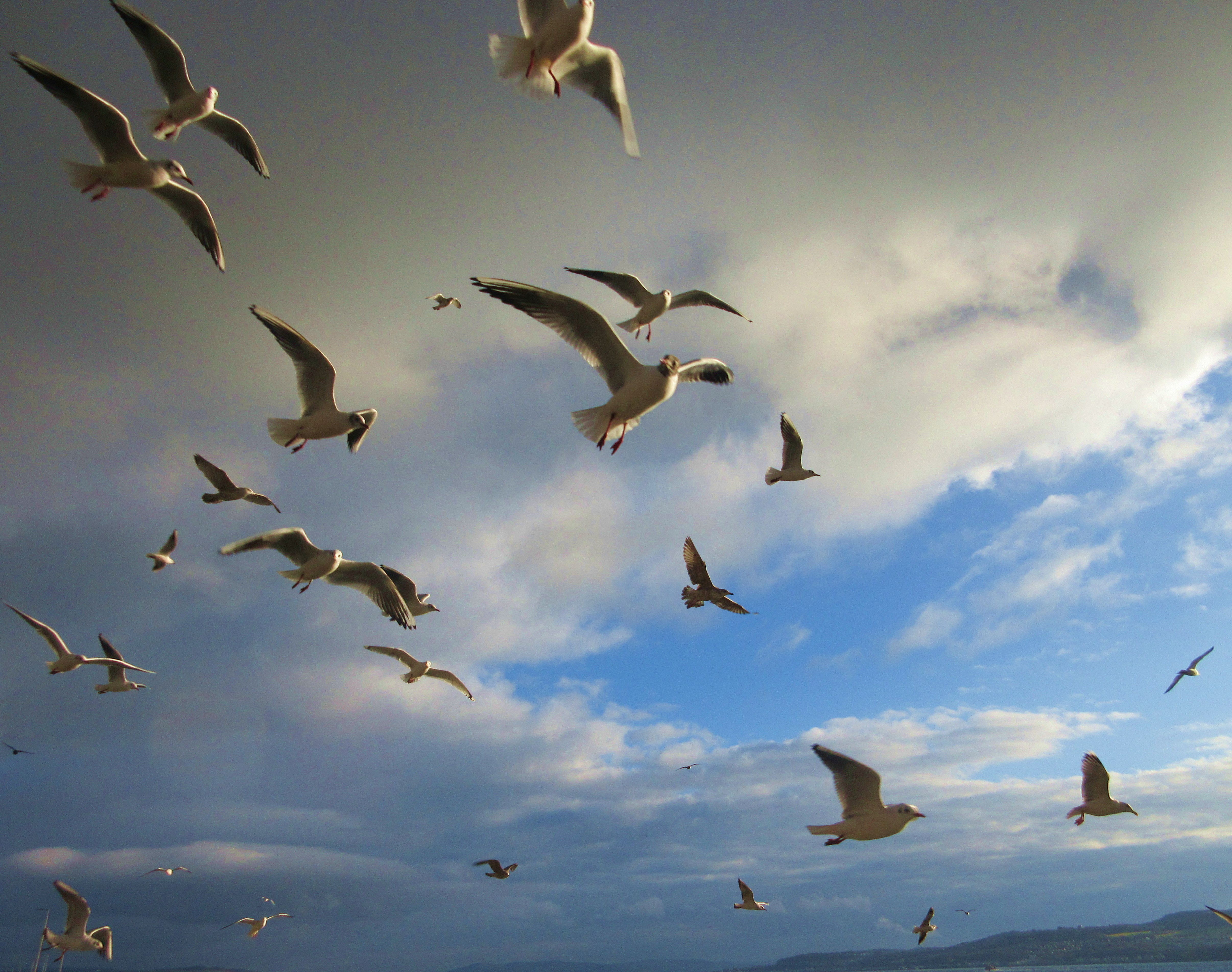
Imagine a crab safely hidden amid seaweed and rocks. Abruptly a seagull swoops down, plucks it out of its secure place, carries it skyward, and drops it on a hard surface.  The crab’s shell shatters and the gull eats the hapless victim.

Life is like that. Events pluck us out of our safety zones and drop us into hard times, hard circumstances. Enemies may even dive into our lives and pick at us while we are at our lowest ebb.

I appreciate the wisdom and intelligence of a seagull. People who believe animals don’t think have never been around animals. A crab has a hard shell designed to protect it from predators. Hungry seagulls figure out how to circumvent this obstacle.

But while I can respect the abilities of animals—like gulls—to think, I personally rebel against hard times and hard circumstances. I don’t like them. Yes, they stretch us and make us grow—but I’d rather stay the comfortable size and shape I am. Still, God is in control. He is too wise to make mistakes and too kind to be cruel.

So as the hard times and circumstances come—for they will, I will hide my heart hurts in Psalm 144 & 145: “Blessed be the LORD my Rock, my high tower and my deliverer…The LORD is near to all who call upon Him.”

gulls 3

Holding off Death

c water best 2

We all do it: save that last bit of string in case we need it in the future; buy a new gadget and keep the old one for emergencies; store up extra provisions “in case,” and cram our cupboards, houses, and garages full of things that we may never use. We’re not good at letting go.

This “hanging on” tendency applies to life. We hang on to this life fiercely and protectively even though the Bible tells us that we are pilgrims passing through and this earth is not our home. “While we are at home in the body we are absent from the Lord.” 2 Corinthians 5:6

I love praying for other people, but I wish I had the courage to be truthful. When I get prayer requests like: “Pray for healing for my mother who is 92 and has cancer, needs a heart transplant, and now her kidneys are failing;” “Pray for my son who has bone cancer. He’s already lost a lung and been through chemo twice. This time it’s not working and he’s in a coma”—I wish I could be honest. I wish I could explain that true healing will never be possible on this earth. We don’t belong here. It’s not our home. We’re merely passing through. “We are strangers and pilgrims on the earth.” Hebrews 11:13. We are all in the process of dying.

We don’t belong here. We need to be willing to let go. Heaven is our final destination and home, a place too wonderful and marvelous for human description. “And God will wipe away every tear; there shall be no more death, nor sorrow, nor crying. There shall be no more pain.” Revelation 21:4. “They shall neither hunger anymore; the sun shall not strike them…for the Lamb who is in the midst of the throne will shepherd them and lead them to living fountains of waters. And God will wipe away every tear from their eyes.”

We don’t belong here. We need to be willing to let go. But I’m a coward. So the next time I get a message: “Pray for my sister who has had a liver transplant and now both her kidneys are failing from radiation therapy,” I will pray.

I will pray because God is a God of miracles. He holds our lives in His hands and He knows the number of days it will take us to pass through this land on the way home. I don’t know…so I must pray.

c water w sun